
Are there real Melonex reviews?
A few. The maker's page shows three named testimonials and says names may be changed. As of October 2026 there is no large independent pool of verified buyer reviews, so treat high star counts elsewhere with caution.
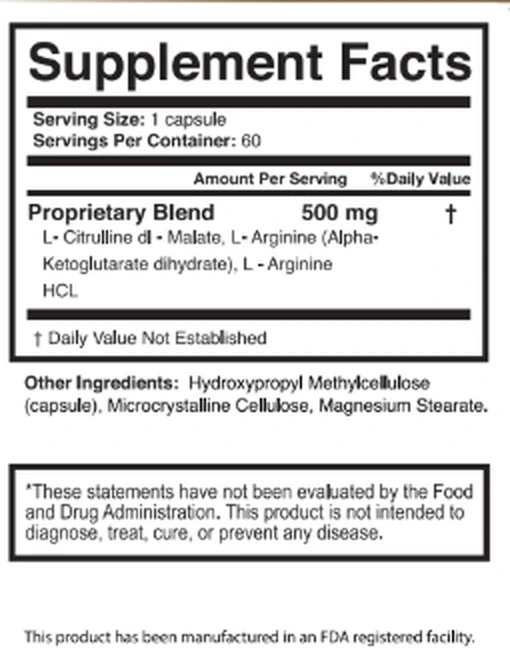
Melonex is a daily capsule made to support healthy blood flow and blood pressure that is already in the normal range, alongside a lower-salt diet, regular movement and check-ups. Take one capsule with 8 oz of water, up to two a day; each capsule lists a 500 mg blend of L-citrulline DL-malate, L-arginine AKG and L-arginine HCl, without single amounts. It is not a blood pressure medicine or a nitrate prescription drug. Bottles run from $49 in the 6-pack with a 60-day money-back window.
The six facts most people want before anything else. Every figure comes from the bottle or the maker's own order page, not from an advert.
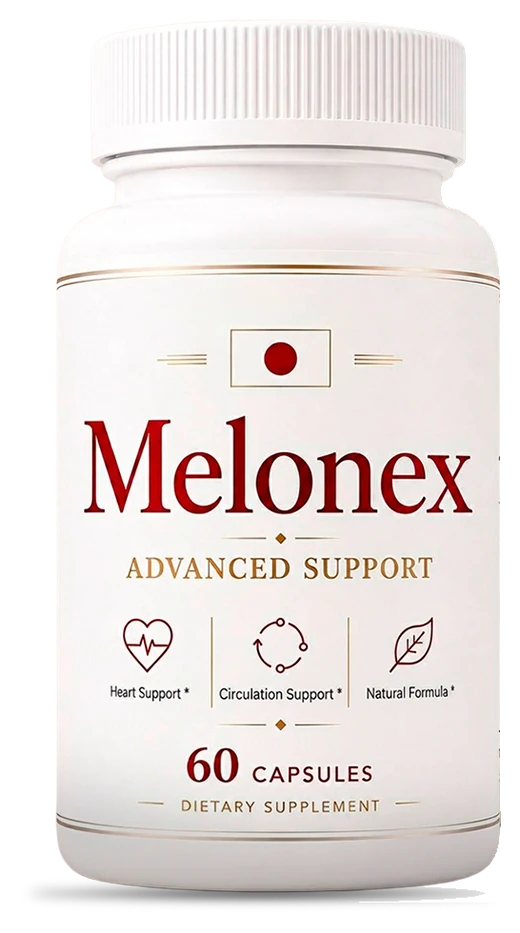
The front label prints three icons: "Heart Support", "Circulation Support" and "Natural Formula", each with the asterisk that marks a claim the FDA has not evaluated.
Plant-cellulose (HPMC) capsules, 60 to a bottle, swallowed with an 8 oz glass of water. That is 60 days at one a day or 30 days at two.
L-citrulline DL-malate plus arginine in two salt forms, alpha-ketoglutarate and hydrochloride. The split between them is not printed.
"Made in the USA with globally sourced ingredients" in "an FDA registered facility". The bottle names Instituto Experience of Lakeland, Florida, as distributor.
$79 each for two bottles, $69 for three, $49 for six. The two-pack adds $9.99 shipping; the larger packs ship free in the U.S.
Refunds begin with an email to the support desk. Every bottle goes back to a Largo, Florida address, and the postage is yours.
High blood pressure is one of the most common findings in adult medicine. The National Heart, Lung, and Blood Institute describes it as a condition that often has no symptoms at all while it strains the heart, kidneys and blood vessels for years[1]. Under the definitions in the 2017 ACC/AHA guideline, a reading of 130/80 or higher counts as stage 1 hypertension, which pulled millions of Americans who once heard "borderline" into a formal category[2]. That shift, more than anything in a sales video, is what sends people looking for options. Four situations come up most often.
Many buyers have never been prescribed anything. They saw 132/84 on a pharmacy cuff or heard their doctor say "let's watch it", and they want to do something before the next appointment. For this group, the guideline's first recommendation is lifestyle change, not pills, and that is also the group a supplement is most often marketed to.
Others already take a blood pressure tablet and worry about adding another, or dislike side effects such as ankle swelling or a dry cough. Some hope a supplement will let them cut back. That hope is the riskiest one, because stopping or reducing a prescribed drug without supervision can send pressure back up quickly[3].
Nitric oxide products are also sold for circulation in a looser sense: cold fingers, heavy legs after a long day, or slower recovery after exercise. These complaints are common and real, but they have many causes, from thyroid function to peripheral artery disease, and they deserve an examination rather than a guess.
Amino acids sound gentler than drugs, and one capsule a day is easy. That is a fair practical preference. It is worth knowing, though, that "natural" does not mean free of effect: the whole reason arginine is studied for blood pressure is that it can lower it, and that is also why it can interact with medicines.
When a supplement is the wrong first step: a reading of 180/120 or higher, especially with chest pain, shortness of breath, severe headache, vision changes, weakness or trouble speaking, is an emergency, and the guideline treats readings at that level as a hypertensive crisis[2]. Readings that stay at 140/90 or above on repeated home checks need a clinician's plan, whatever else you add.
Melonex is a dietary supplement sold online as "Melonex Advanced Support". Each bottle holds 60 capsules. The label's directions are one capsule daily with an 8 oz glass of water, with the option to take up to two. The bottle lists Instituto Experience, Lakeland, FL 33804 as distributor, with the phone number +1 (507) 448-8190 and the email [email protected]. Payment runs through BuyGoods, a U.S. order platform that charges the card and sends the receipt.
The formula is short: three ingredients, all of them amino acids or amino-acid salts. L-citrulline is a non-protein amino acid the body makes in the gut and converts to arginine in the kidneys. L-arginine is the amino acid that the enzyme nitric oxide synthase uses to make nitric oxide, a gas that tells blood vessel walls to relax. The two arginine forms on the label differ only in what the arginine is paired with: alpha-ketoglutarate, a compound from the energy cycle inside cells, or hydrochloric acid, which makes a stable salt.
Legally, Melonex is a food in capsule form. The FDA does not check supplements for safety or effectiveness before they are sold; the company is responsible for the contents and for keeping its claims to "supports" rather than "treats"[25].
A naming footnote: citrulline was first isolated from watermelon, and its name comes from Citrullus, the watermelon genus. The "melon" in Melonex appears to nod to that. The capsules do not contain watermelon extract.
The checkout copyright reads "Melonex Research", the sales page footer says "Eagle Labs (EL)", the label names Instituto Experience and the terms of service name GEX Corporation LLP. That is common in this supplement network, but it means no single company presents itself as the maker.
The sales page calls the formula an "active cardiovascular combination" that restores elasticity and unlocks oxygen flow. Underneath the language there is a real and well-studied pathway. Here is how it works and where the claim outruns it.
The thin lining of every artery, the endothelium, contains an enzyme called endothelial nitric oxide synthase (eNOS). It takes arginine and oxygen and releases nitric oxide, which diffuses into the muscle layer of the vessel and makes it relax[7]. Wider vessels mean lower resistance, which is one of the levers that set blood pressure. Several prescription drugs, from nitroglycerin to sildenafil, work on this same system.
A typical diet already supplies several grams of arginine a day from meat, fish, dairy, nuts and legumes[8], and in healthy people eNOS is normally not short of it. Researchers call the fact that extra arginine sometimes still helps the "arginine paradox"; one explanation is a natural inhibitor, ADMA, that competes with arginine and is raised in some people with vascular disease[10][9].
Swallowed arginine has a problem: enzymes called arginases in the gut and liver break down a large share of it before it reaches the bloodstream. Citrulline is not cleared that way. It passes into the blood, and the kidneys convert it to arginine. In a crossover study in healthy volunteers, oral citrulline raised plasma arginine more effectively than oral arginine and increased markers of nitric oxide activity[11][12].
Arginine alpha-ketoglutarate (AAKG) is popular in gym "pump" products and was studied mostly for strength performance[16]. Arginine HCl is the plain hydrochloride salt used in many of the blood pressure trials. Neither form has evidence of acting "immediately" on arterial tension, which is how the sales page describes the HCl form.
The pathway is real; the question is how much substrate you supply. The arginine trials that lowered blood pressure gave 4 to 24 grams a day[17], and citrulline trials generally used 3 to 6 grams[19]. A Melonex capsule holds half a gram of all three ingredients combined, so the formula relies on a very small push to a large system.
Arterial stiffness changes over years and is driven by age, blood pressure itself, diabetes, smoking and kidney function. The sales page says Melonex targets its "root causes". No study of this product measured stiffness, and the amino-acid trials that did look at vascular markers used gram doses for weeks. Treat that line as marketing.
Each ingredient sits beside a short reading of the human research. The label gives no individual amounts, so the only number we can attach is the shared blend total of 500 mg per capsule.
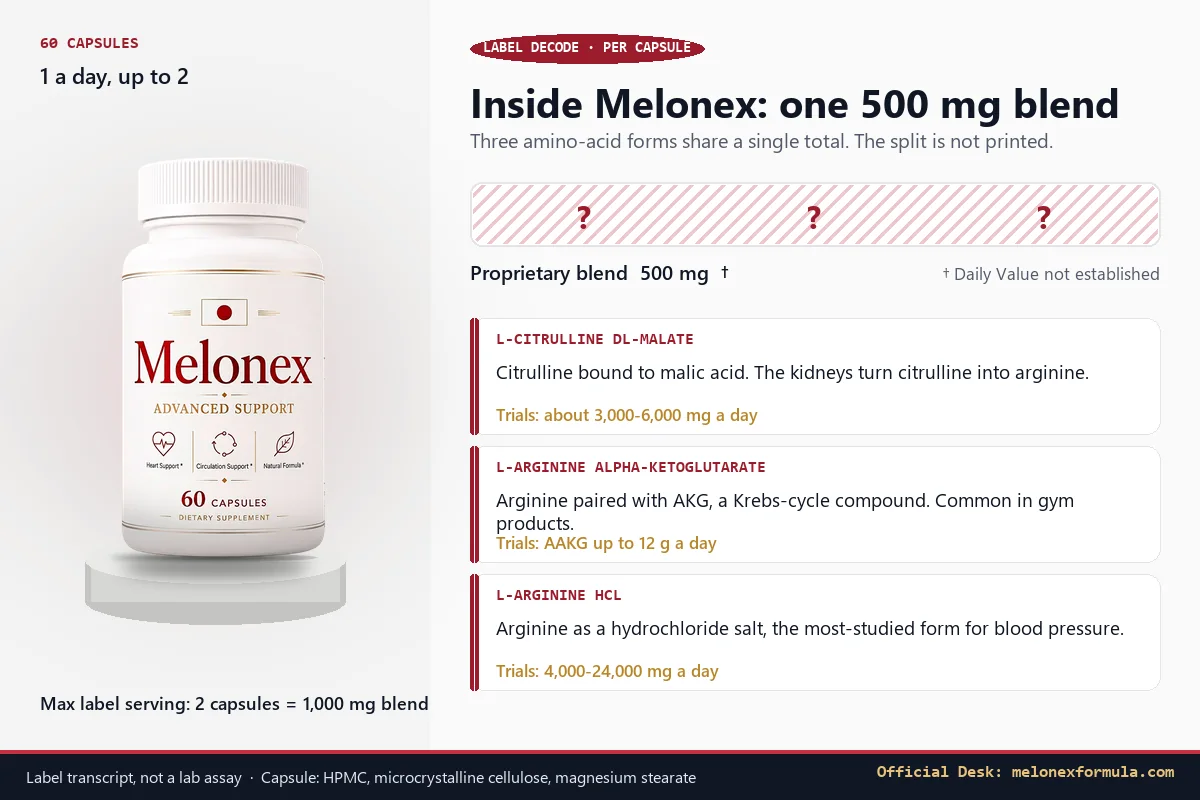
Citrulline bonded to malic acid, the sour compound in apples. Commercial citrulline malate is often sold in 2:1 or 1:1 ratios, meaning a third to a half of its weight is malate, not citrulline. The label does not state the ratio. "DL" refers to the malic acid; the citrulline itself is the natural L form.
The single-dose Citrudose study gave healthy men 2 to 15 grams and found it well tolerated, with plasma arginine rising in step with the dose[13]. In sport, 8 grams of citrulline malate before training increased repetitions and reduced soreness[14], and 6 grams a day for a week improved oxygen uptake kinetics[15]. For blood pressure, a small pilot gave people with prehypertension a watermelon extract supplying about 2.7 grams of citrulline a day and found lower aortic pressure after six weeks[21].
A salt of arginine with alpha-ketoglutarate. AKG has its own roles in cell metabolism, but in this pairing it mostly serves as a carrier. Around half of AAKG's weight is arginine. "Dihydrate" means the crystal includes water molecules, which add weight without adding active material.
The best-known human study gave trained men 12 grams of AAKG a day for eight weeks. It was well tolerated, improved bench press strength and sprint power slightly, and did not change body composition or aerobic capacity[16]. That trial measured performance, not blood pressure, and used more than ten times the entire Melonex blend.
Arginine as its hydrochloride salt, roughly 83% arginine by weight. It is the form in many clinical studies because it is stable and inexpensive. In food terms, arginine is plentiful in turkey, chicken, pork, pumpkin seeds, peanuts, soy and lentils.
A meta-analysis of 11 randomized, double-blind trials with 387 participants found that oral arginine lowered systolic pressure by about 5.4 mmHg and diastolic by about 2.7 mmHg compared with placebo, at doses of 4 to 24 grams a day[17]. An umbrella review of meta-analyses reached a similar conclusion for blood pressure and endothelial function[18]. On the other side of the ledger, the VINTAGE MI trial gave 9 grams a day to patients after a heart attack, saw no benefit and recorded more deaths in the arginine group, and was stopped early[22].
The Melonex sales page says its formula contains "strong ingredients in optimal dosage". The label makes that claim impossible to check, because it prints one total for three ingredients. What we can do is put the total itself next to the research. Even if every milligram of the 500 mg blend were the most effective ingredient, one capsule would supply a sixth to a twelfth of the citrulline used in blood pressure studies, and the label maximum of two capsules would supply a third to a sixth[19][20]. Against the 4 to 24 grams of arginine in the trials that lowered pressure, the gap is wider still[17].
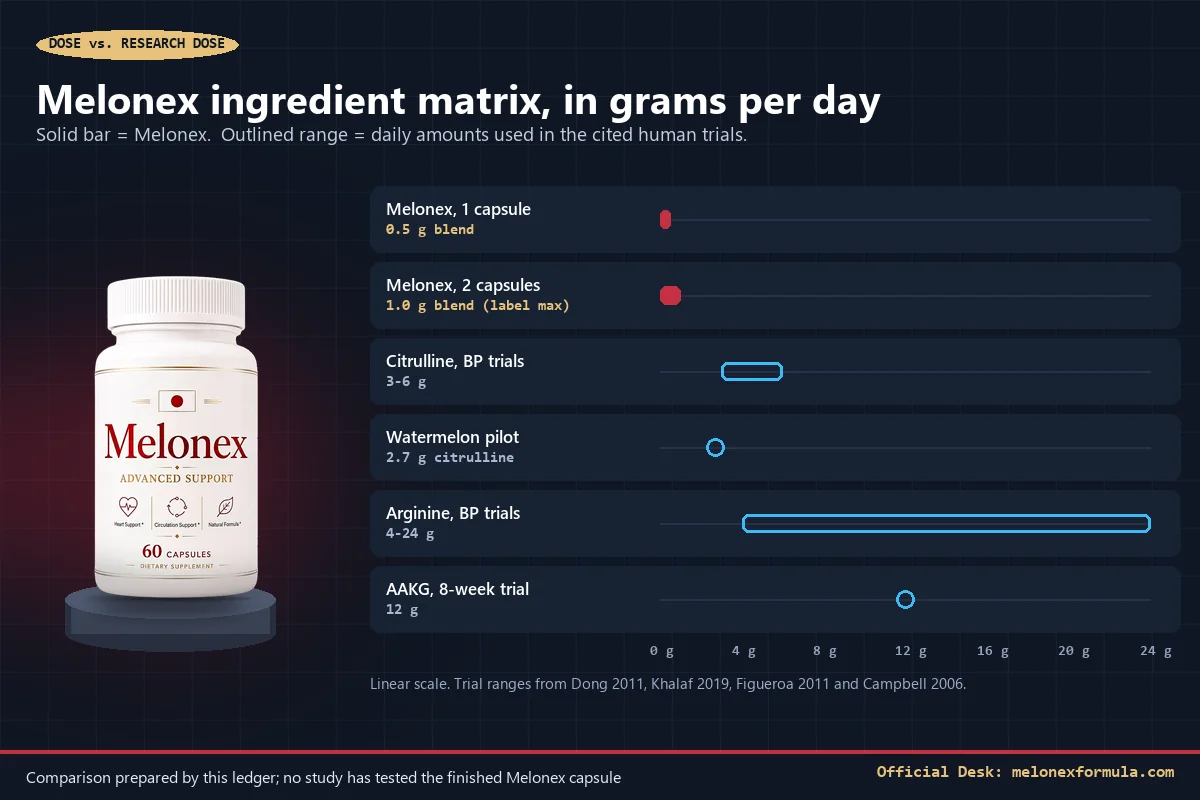
| Ingredient | Melonex per day | Typical trial dose per day | Best case share |
|---|---|---|---|
| L-Citrulline (as malate) | under 500-1,000 mg | 3,000-6,000 mg | 8-33%, if the blend were all citrulline |
| L-Arginine (AKG + HCl) | under 500-1,000 mg | 4,000-24,000 mg | 2-25%, if the blend were all arginine |
| Arginine already in a typical diet | several grams | Not applicable | One capsule adds a small slice of normal intake |
| Malate, AKG and water of hydration | part of the 500 mg | Not studied for blood pressure | Weight that is not amino acid |
Two details shrink the real numbers further. First, salts carry weight that is not the amino acid: citrulline malate is partly malic acid, AAKG is roughly half arginine, and even arginine HCl is about one sixth chloride. Second, the label lists ingredients in a blend in descending order of weight, and citrulline malate comes first, so it is probably the largest share, leaving the two arginine forms with less than half the capsule between them.
Why formulate this way? A 500 mg capsule is easy to swallow and cheap to fill, and three ingredient names look more complete than one. Gram doses of amino acids are bulky: reaching 6 grams of citrulline would take twelve of these capsules, which is why research products are usually powders. Melonex chose convenience over dose and then described the result as "optimal", which is the part we disagree with.
What this means for you: if Melonex changes your readings, the change is likely to be small, and it may be hard to separate from other things you are doing. A home cuff, a written log and a fixed deadline before day 60 are the fairest way to judge it. If the numbers do not move, the refund policy exists for exactly that outcome.
Suggested use and caution, in substance: one capsule daily with an 8 oz glass of water, up to two daily; keep away from heat, light and humidity; do not exceed the recommended dose; pregnant or nursing women, under-18s and anyone with a known medical condition should consult a physician first; keep out of reach of children; do not use if the safety seal is damaged or missing.
A label states intent; a certificate of analysis (CoA) shows what a specific batch actually contained. For an amino-acid product, a useful CoA reports identity and amount for each ingredient (usually by HPLC), heavy metals such as lead, arsenic, cadmium and mercury, and microbial counts. Federal manufacturing rules require supplement makers to set specifications and test against them for every batch[26], but nothing requires them to publish the results.
The maker does not publish a CoA for Melonex, and this ledger has not had it tested. We do not print lab figures we cannot source. If batch data matter to you, write to [email protected] with the lot number from your bottle and ask for that lot's CoA, including the amount of each blend ingredient. A company with the data can usually send it; the answer itself tells you something.
These are the outcomes the formula is designed around, phrased at the strength the research allows. The asterisk is the legal reminder that the FDA has not evaluated them.
Citrulline and arginine are the substrates the body uses to make nitric oxide, the messenger that relaxes blood vessel walls.
Gram-dose trials of both amino acids found modest reductions; whether 500 to 1,000 mg does anything measurable is unknown.
Citrulline is studied for exercise blood flow and fatigue, again at several grams. Some buyers may notice a mild "pump" effect.
One small capsule, no caffeine, no taste. That makes a fair eight-week test easier to stick to.
Melonex does not lower high blood pressure the way medication does, does not "restore elasticity" to stiff arteries, does not remove the need for blood pressure checks, does not treat heart disease, and does not replace any prescription. The sales page's testimonials describe people saving "a fortune on expensive medications"; please do not read that as permission to stop yours. Lifestyle steps with stronger evidence than any supplement, such as the DASH eating pattern, cutting sodium and regular aerobic exercise, each lower pressure by several points in trials[4][5][6].
Read both columns. A single item on the right is enough reason to pause and ask a clinician first.
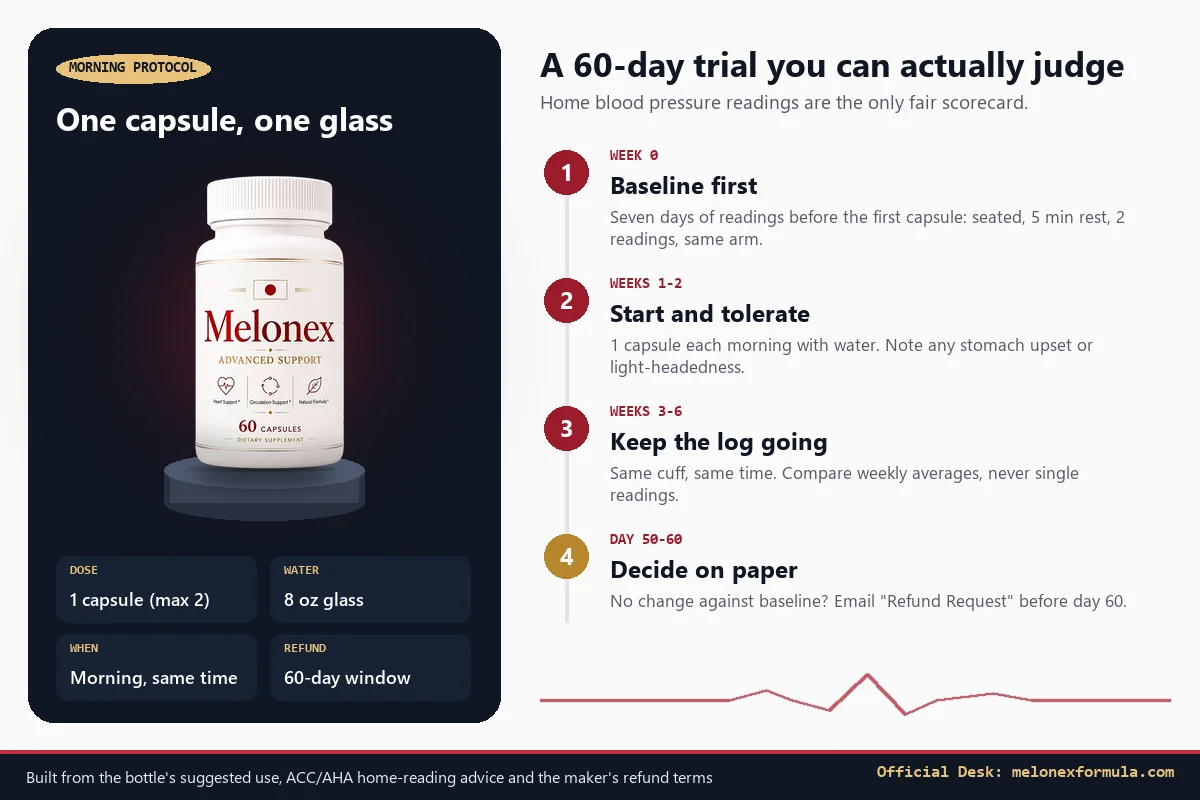
The bottle's directions fit on one line. These four steps add what makes a trial worth something: a baseline, a check on your medicines and a decision rule.
Measure your blood pressure at home for seven days before the first capsule: seated, after five minutes of rest, two readings each morning, same arm, same cuff.
Take it in the morning, at the same time each day. One capsule is the starting serving; the label allows up to two a day.
If you take blood pressure pills, nitrates, sildenafil or tadalafil, or have heart disease, get your prescriber's agreement before starting.
After four to six weeks, compare your average morning reading with the baseline week, and decide before day 60 whether it earned a place.
Choose a pack, how many capsules a day you plan to take and your order date. The planner shows the full cost with shipping, how long the capsules last, the real cost per day, the day to review your log and the last day of the refund window. It runs in your browser; nothing is stored or sent.
The checkout's return policy counts the 60 days from the day you order. The maker's terms page counts from delivery. Plan around the order date, the earlier of the two.
Nitric oxide supplements come as capsules, flavored powders, gummies and liquid drops. Melonex chose a small capsule. That choice explains both its convenience and its low dose.
Amino acids are needed in grams, not milligrams. A standard capsule holds roughly half a gram of powder, so research-level amounts mean many capsules a day. Powders solve that with a scoop: a typical citrulline powder serving is 3 to 6 grams, stirred into water. The trade-off is taste (citrulline malate is sour), mixing and a tub to carry. Melonex offers a tidy routine at the cost of the dose[19].
The Melonex sales page says its citrulline is "fully absorbed without digestive waste" and that the HCl form "enters the bloodstream directly and rapidly". Both forms are absorbed in the small intestine like other amino acids. The genuine difference is that citrulline escapes the gut and liver arginases that break down arginine, which is why it raises blood arginine more efficiently[11]. One bonus e-book also mentions "the best times for sublingual absorption"; there is no sublingual form, the product is a capsule you swallow.
Arginine at large single doses (around 9 grams or more) causes bloating and diarrhea in a fair number of people, while citrulline is better tolerated[23][13]. At Melonex's half-gram size, stomach trouble is unlikely, which is a real advantage of the small dose.
| Format | Strengths | Weaknesses |
|---|---|---|
| Capsule (Melonex) | No taste, exact count, travels well, gentle on the stomach | About 0.5 g per capsule; research doses would take many capsules |
| Powder | Gram doses in one scoop; cheapest per gram | Sour or bitter taste, mixing, flavorings and sweeteners |
| Gummies | Pleasant and easy | Low amino-acid load, added sugar, heat sensitive |
| Liquid drops | No swallowing | Tiny amounts per dropper; "sublingual" claims rarely apply to amino acids |
Two, three or six bottles of 60 capsules. The two-pack is the smallest outlay; the six-pack is the lowest price per bottle.
Our order buttons pass you to the maker's BuyGoods checkout, which shows the exact total before you enter card details.
BuyGoods sends a receipt with your order ID right away; a shipping email with tracking follows once the parcel is dispatched.
Support needs it for any question and for a refund. Save the receipt email and the packing slip from the box.
The label distributor is Instituto Experience in Lakeland, FL 33804, and returns go to 11870 62nd St N, Largo, FL 33773. The maker does not publish where orders are packed or which carrier is used.
Free on 3- and 6-bottle orders, $9.99 on the 2-pack. The checkout offers an optional "Priority + Insured" upgrade that reships free if a parcel goes astray.
The label says not to use a bottle with a damaged or missing safety seal. Our bottle check walks through what to look at before you open it.
The maker does not publish warehouse locations, storage temperatures or delivery times, so this ledger does not quote any. Amino acids are stable at room temperature; store bottles as the label asks, away from heat, light and humidity.
Three packages, all one-time purchases. The struck-through figures are the maker's own "list" prices that nobody pays; compare cost per day instead.
120 capsules · 60 days at 2/day, 120 at 1/day
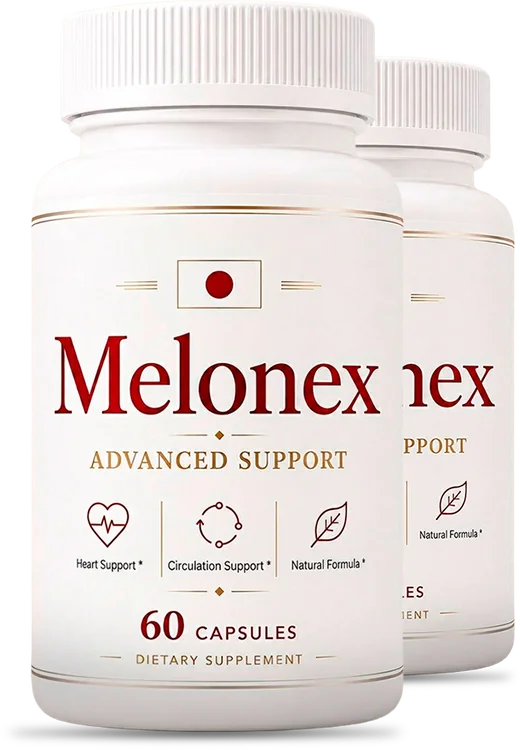
$358 → $158 total
360 capsules · 180 days at 2/day, 360 at 1/day
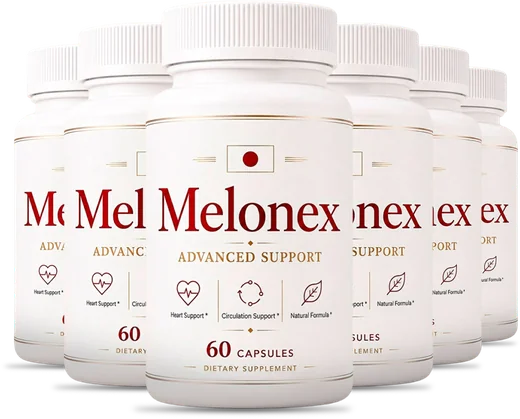
$1074 → $294 total
180 capsules · 90 days at 2/day, 180 at 1/day
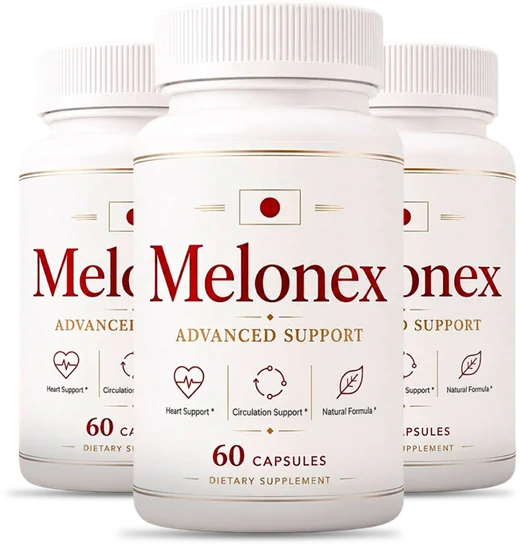
$537 → $207 total
The 3- and 6-bottle packs add six downloadable guides: a blood pressure habit challenge, a vitamin recipe book, a metabolism guide, a nerve guide, a diabetes guide and a usage guide. Their stated values add up to $320. They are e-books; this ledger has not reviewed their contents, and the diabetes and nerve titles have nothing to do with the capsule.
Here the bottle is better value than the sales page suggests. The order page labels two bottles a "60 day supply", which only holds at two capsules a day. The label's standard serving is one capsule, and at that rate each 60-capsule bottle lasts two months. Shipping is included in the figures below.
| Package | You pay | Capsules | Per day at 1 capsule | Per day at 2 capsules |
|---|---|---|---|---|
| 2 bottles | $167.99 | 120 | $1.40 (120 days) | $2.80 (60 days) |
| 3 bottles | $207.00 | 180 | $1.15 (180 days) | $2.30 (90 days) |
| 6 bottles | $294.00 | 360 | $0.82 (360 days) | $1.63 (180 days) |
Per capsule the six-pack costs 82 cents and the two-pack $1.40, a 42% difference. The catch is the refund window. At one capsule a day, a six-pack is a year's supply, and the 60-day policy closes while you are still on the first bottle. The policy accepts unopened and empty bottles alike, so an unconvinced six-pack buyer can send all six back before day 60, but $294 is a lot to commit before you know whether your readings move.
For context, plain L-citrulline powder is widely sold at prices where a research-sized 3 to 6 gram daily serving costs roughly what one Melonex capsule does. What the Melonex price buys is the capsule format, the combination and the refund policy, not a larger dose. Our suggestion: start with the two- or three-pack, keep a log, and buy more only if your own numbers justify it.
Citrulline and arginine are normal parts of the diet, and at half a gram to a gram a day they are well within amounts most adults eat. The risks that matter are specific: who is taking it, and what else they take.
Do not change prescribed treatment. Stopping a blood pressure medicine suddenly, beta blockers and clonidine in particular, can cause a rebound rise in pressure. If you hope a supplement lets you take less medicine, show your log to your prescriber and let them decide.
The full side effects and safety page covers each ingredient and interaction in more detail.
The testimonials on the maker's page describe stable readings within two or three weeks. The amino-acid trials ran from two to twenty-four weeks and found average changes of a few millimeters of mercury[17]. Single home readings swing by more than that from day to day, so plan for the longer timeline and let averages decide.
Seven mornings of readings before the first capsule, seated after five minutes of quiet, two readings a minute apart, same arm. Average them. That number is your reference.
One capsule each morning with water. Note any stomach effects or light-headedness. Keep measuring, but do not judge yet.
Compare each weekly average with week 0. A change of less than about 5 mmHg is within normal noise. If you decide to try two capsules a day, do it here and keep logging.
No meaningful change against baseline? Email support with "Refund Request" before day 60. A real drop? Show the log to your clinician, together with anything else that changed.
The full results timeline explains each stage and how to measure blood pressure at home correctly.
Yes: 60 days, and empty bottles count. The maker's pages word it differently in three places, so here is the process stitched together from the order page, the checkout return policy and the terms.
The checkout return policy counts 60 days from the day the order was placed. The terms page says "within 60 days of delivery". Use the order date to be safe.
The order page asks you to try it for at least 30 days of continuous use before asking. The written return policy itself sets no minimum.
Write to [email protected] with "Refund Request" in the subject and your order ID in the message.
The order page lists +1 (855) 889-3137; the bottle and the contact page list +1 (507) 448-8190.
Full, opened or empty, with the packing slip and a note giving your name, email and order ID, to 11870 62nd St N, Largo, FL 33773.
The policy says plainly that it does not cover return shipping. Use a tracked service and keep the receipt.
The return policy quotes 5 to 10 days after your parcel arrives (the terms say 3 to 5 business days), plus your bank's own posting time.
The maker publishes no refund statistics, and we will not invent a percentage. From the formula and the policy, these are the foreseeable reasons a buyer ends up using the window:
The sales page talks about "immediate relief". A half-gram amino-acid blend is unlikely to move readings the way a prescription does.
Buyers on nitrates, ED drugs or several blood pressure tablets sometimes learn from their pharmacist that it is not a good fit.
With small doses and noisy home readings, "no difference" is a common and honest result. That is what the 60 days are for.
Melonex is a real product, not a scam in the sense of taking money and shipping nothing. The checks that matter come out like this:
Caution belongs with the marketing. The sales page promises "a drastic reduction in the strain" on the heart and "immediate relief of arterial pressure", neither of which any study of these ingredients at this dose supports. It says "96% of customers" choose the six-bottle kit, runs a 30-minute countdown timer and warns that stock sells out, which are pressure tactics rather than information. Its testimonials carry names and cities that cannot be checked, and its own disclaimer says some names were changed and results are not typical. The FTC's endorsement guides expect testimonials to reflect what people can generally expect, or to say clearly that they do not[29]. Legitimate does not mean proven: you are buying a real, low-dose capsule with an undisclosed split, and results vary.
Melonex is sold through the maker's own sales pages and BuyGoods checkout. Our order buttons send you to that same checkout, with the same prices and the same refund policy; we add nothing to the price.
Search results also show "Melonix", "Mellonex", "Melonex BP" and similar spellings. Some are typos, some are different products, and some are pages built only to collect clicks. The genuine bottle is white with a white cap, shows a small red circle in a square above a dark-red "Melonex" wordmark, reads "Advanced Support" in gold, has three icons (heart, circulation, leaf) and says 60 capsules.
If you see Melonex on Amazon, eBay or Walmart's marketplace, it is a third-party listing. The maker's refund runs through its own support desk and needs an order ID from its checkout, so a marketplace purchase is unlikely to qualify, and you cannot know how the bottle was stored or whether it is genuine. Our where to buy page lists the warning signs in full.
We do not publish star ratings or quotes we cannot verify. Here is what the available material actually contains, and how to read it.
A Houston man, a Chicago woman and a Seattle woman describe balanced readings within two to three weeks, more energy and less stress. The page's own disclaimer says names may be changed and results are not typical.
Given the dose, buyers who log readings carefully are the ones most likely to see whether anything changed. Those who judge by how they feel will mostly be measuring mood and placebo.
As of October 2026 we found no large, independent pool of verified Melonex reviews. Treat any page showing thousands of ratings for this product with suspicion.
The most reasonable complaint. The proprietary blend gives one total for three ingredients, so nobody outside the company can say.
Predictable at these doses. A baseline week and weekly averages let you decide early enough to use the refund window.
The policy puts postage on the buyer and wants every bottle back. Add a few dollars of tracked shipping when you size your first order.
Packs are sold as 30 days per bottle, yet the label's serving makes a bottle last 60. Fair to the buyer on price, confusing on the page.
Equal weights. The score rates the product as sold, not anyone's personal result. It goes up if the maker publishes the blend split or a batch CoA, and we date every change.
This site is run by the Melonex Formula Ledger, a small editorial and order team. We are not the manufacturer, the distributor or the checkout, and we earn a commission when an order goes through our links. The commission does not change with the pack size, which is why we can tell first-time buyers to start small.
Every page is checked against three sources: the label artwork, the maker's live order and policy pages, and the primary research linked in the references. We do not use AI-written testimonials, invented reviewer names, made-up lab figures or star ratings. Corrections go to [email protected] and are dated on the page. The editorial board page explains the roles and the checklist.
Short, direct answers to the questions that come up most often in search.
A few. The maker's page shows three named testimonials and says names may be changed. As of October 2026 there is no large independent pool of verified buyer reviews, so treat high star counts elsewhere with caution.
Yes, it is a real, labeled supplement sold through BuyGoods with a 60-day refund policy. Its doses are hidden in a 500 mg blend and its marketing claims are stronger than its evidence.
There is no direct evidence for the product. Its ingredients lowered blood pressure modestly in trials that used several grams a day; one capsule holds half a gram of all three combined.
Usually it is a misspelling. Check the bottle: white with a red circle in a square, a dark-red wordmark, "Advanced Support" in gold and 60 capsules. Other spellings may be different products.
Not as a swap. Diet patterns like DASH, lower sodium, weight loss, exercise and less alcohol lower pressure meaningfully, but anyone prescribed medicine should change it only with their clinician.
A product with ingredients the body uses to make nitric oxide, usually arginine, citrulline or dietary nitrate from beets. Effects depend heavily on dose; most capsule products are far below research amounts.
Primary research and government sources used on this page, numbered to match the bracketed markers in the text. None studied the finished Melonex capsule; they describe its ingredients, blood pressure itself, or the rules that govern supplements.
No. Melonex is a dietary supplement, and nothing on its label is a substitute for lisinopril, amlodipine, losartan, a diuretic or any other prescribed treatment. Keep taking what your clinician prescribed, and talk to them before adding an arginine or citrulline product, because the effects can stack.
It is a real product with a printed Supplement Facts panel, a named distributor on the bottle (Instituto Experience, Lakeland, Florida), an established checkout (BuyGoods) and a written 60-day refund policy. Legit is not the same as proven: the doses are undisclosed, and several sales-page claims go far beyond the evidence.
One capsule contains a 500 mg proprietary blend of L-citrulline DL-malate, L-arginine alpha-ketoglutarate (dihydrate) and L-arginine HCl. The label does not give the amount of each. Other ingredients are a hydroxypropyl methylcellulose capsule, microcrystalline cellulose and magnesium stearate.
The bottle says one capsule a day with an 8 oz glass of water, and that you may take up to two capsules a day. The maker suggests mornings. Do not go above two capsules, and measure your blood pressure at home if you are tracking an effect.
At this size of dose most people notice nothing. Arginine at much larger doses is known for stomach upset, bloating and loose stools. The more important risk is pressure dropping too far when it is combined with blood pressure drugs, nitrates or erectile dysfunction medicines, which can cause dizziness or fainting.
Less than 500 mg, but the exact number is unknown. The 500 mg blend also contains citrulline malate, and the label does not say how the total is divided. Blood pressure trials of arginine used 4 to 24 grams a day, so even the whole blend is a small fraction of that.
Ask your prescriber first. Nitrates and PDE5 inhibitors already lower blood pressure, and the two drug classes must never be combined with each other. Arginine and citrulline feed the same nitric oxide pathway, so adding them is a theoretical extra push that a doctor should approve.
On the maker's checkout: 2 bottles for $158 ($79 each, plus $9.99 shipping), 3 bottles for $207 ($69 each, free U.S. shipping) or 6 bottles for $294 ($49 each, free U.S. shipping). The 3- and 6-bottle packs include six digital guides. Every order is a single charge with no subscription.
No dietary supplement is FDA approved. The label says Melonex is made in an FDA-registered facility in the USA from globally sourced ingredients. Registration means the FDA knows the facility exists; it is not a review of the product, its doses or its claims.
Email [email protected] within 60 days of ordering with "Refund Request" in the subject line and your order ID, then mail every bottle, full or empty, with the packing slip and a note to 11870 62nd St N, Largo, FL 33773. You pay the return postage; the refund goes back to your original card.
One small capsule each morning, a home cuff, and the right to send every bottle back, opened or empty, if your numbers do not move. Build the baseline first, decide before day 60.